Meet fMRIght
See what a video does to a brain before you post it. fMRIght predicts how an average viewer's brain responds, second by second, and explains it in plain English.
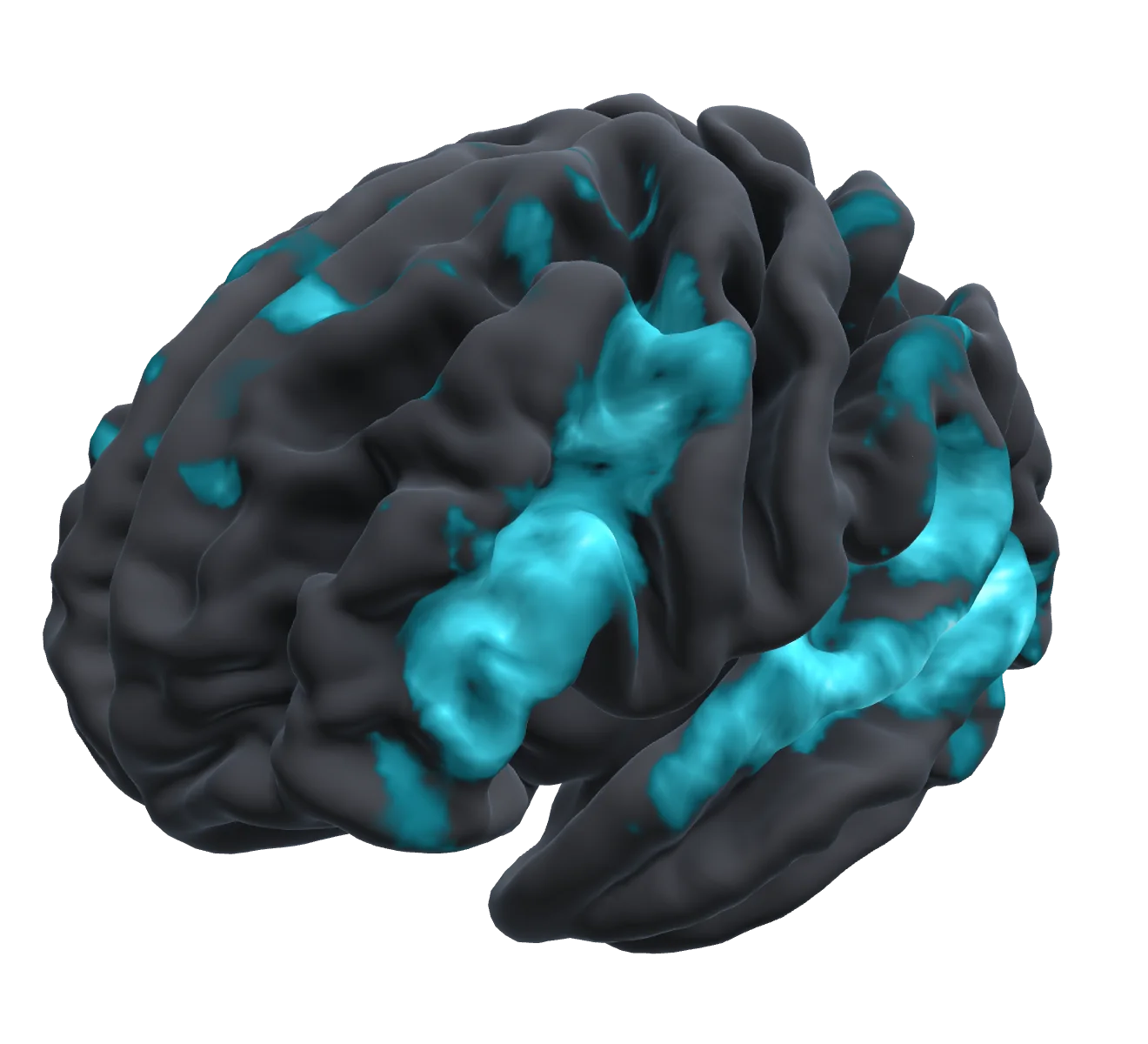
TRIBE v2 prediction for a sample creator clip (AI‑generated)
20,484 cortical points · 1 frame/s · cyan marks the stronger predicted responses · a model prediction for an average viewer, not a recorded scan
See it in action
How it works, and why
The demo shows what happens. These are the parts that aren't obvious at first glance.
Why a model can stand in for a scanner
TRIBE v2 was trained on brain scans of people watching and listening to media. It learned which patterns on screen and in the audio go with which brain responses. Give it a new video and it predicts the response an average viewer's brain would likely have.
Why seven brain areas instead of one score
A single number hides the reason. Splitting the read into areas tells you whether a moment works because of the visuals, the voice, the people on screen or the story.
Why second by second matters
Short videos are won or lost in moments. The timeline shows where attention is predicted to rise and where it's predicted to fall, so you know which cut, line or shot to change instead of reshooting everything.
What it can’t tell you
It predicts an average brain, not your audience, and it doesn't predict views. Our first pilot found a weak link to engagement that didn't hold up statistically (r = 0.25, p = 0.24, 24 videos). We're testing it properly now and will publish the answer either way.
How we're testing itThe science, in the open
We're running a pre-registered test: 72 short videos, each with one of four openings, run as ads with equal budgets. It checks whether the brain read predicts which openings keep people watching past three seconds. The plan was written before any data came in, and we'll publish the result whether it works or not.
Read the pre-registrationFAQs
A brain scan that tracks blood flow to show which parts of the brain are working. fMRIght doesn’t scan anyone. It uses a model that learned from fMRI scans.
Score your first clip
Drop in a short video and see the read in a few minutes. Free while it's a research preview.
Review creator content for a living? Tell us what a read like this is worth to you. fMRIght is non-commercial research: TRIBE v2 is licensed CC BY-NC 4.0.